
Embossing and Debossing
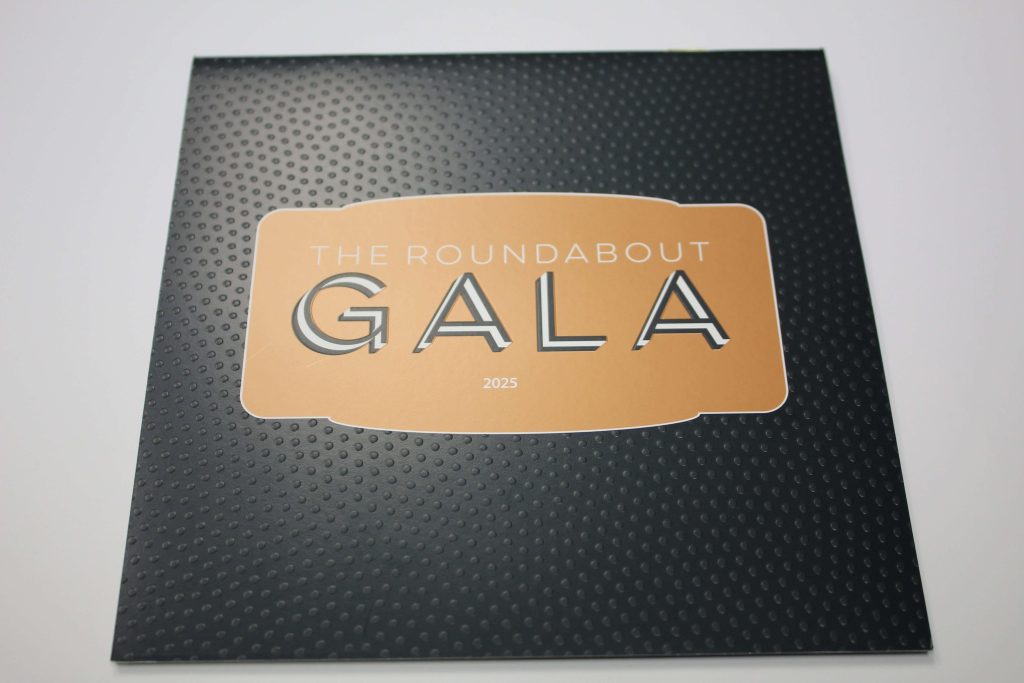
Embossing is a technique that creates a raised, three-dimensional design on the surface of paper or other materials. This is achieved by pressing the material between two dies: a male die and a female die. The male die pushes the material upwards into the female die, resulting in a raised impression.
Key Features of Embossing:
Debossing, on the other hand, creates an indented, three-dimensional design on the surface. The process involves pressing the material into a die, causing the design to be recessed into the material.
Key Features of Debossing:
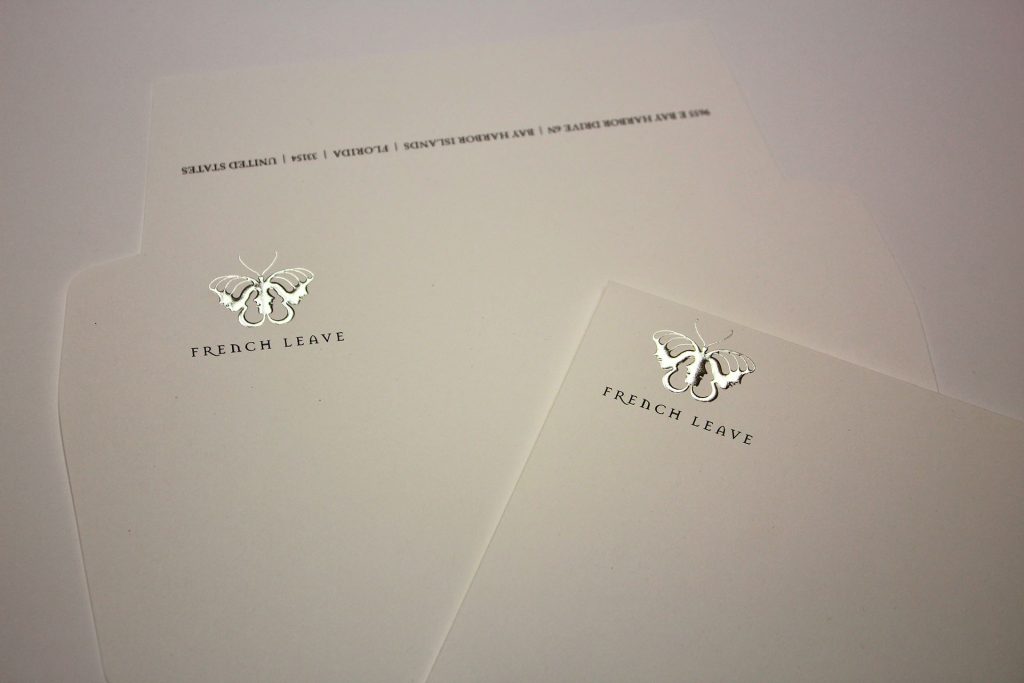
For an added touch of luxury and elegance, both embossing and debossing can be combined with foil stamping. Foil stamping involves applying a metallic or pigmented foil to the surface using heat and pressure, creating a brilliant and eye-catching effect. When combined with embossing or debossing, foil stamping enhances the texture and visual appeal, making the design even more striking.
Embossing and debossing can be applied to a wide range of items, adding a unique and sophisticated touch to various print materials. Here are some examples:
Embossing and debossing are powerful techniques that can transform ordinary print materials into extraordinary pieces of art. Whether you’re looking to add elegance to invitations, sophistication to business cards, or a luxurious touch to packaging, these methods offer endless possibilities. Combined with foil stamping, embossing and debossing can elevate your designs to new heights, leaving a lasting impression on everyone who encounters them.
Explore the world of embossing and debossing and discover how these techniques can enhance your print materials, making them truly unforgettable.
Would you like to elevate your printed materials with embossing and/or debossing? Contact Bedwick & Jones today to discuss your project and receive a personalized quote tailored to your specific needs.